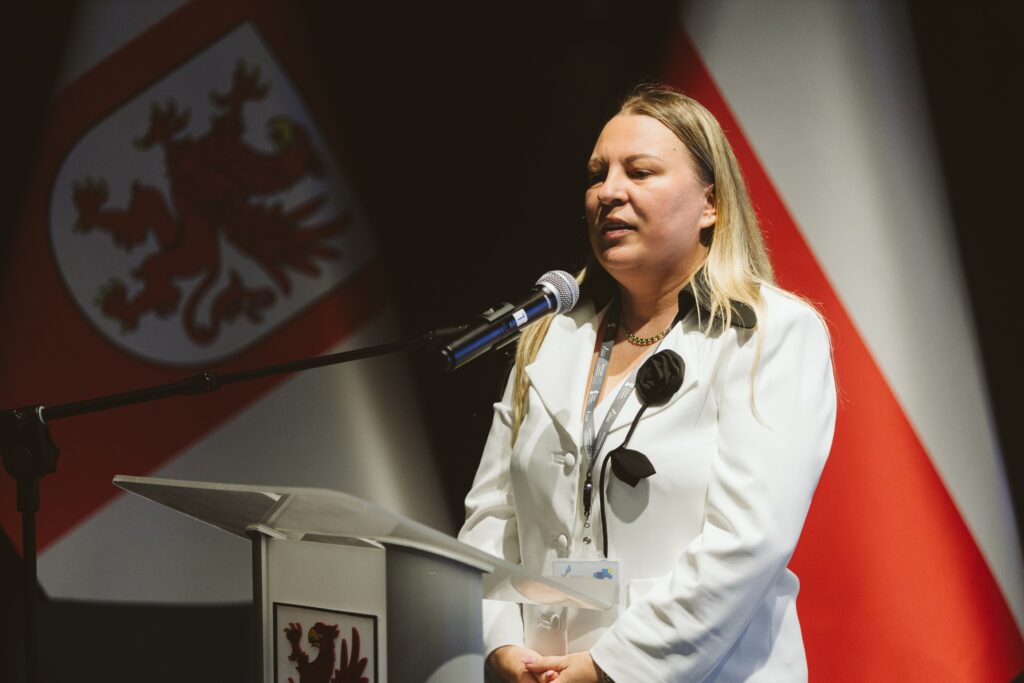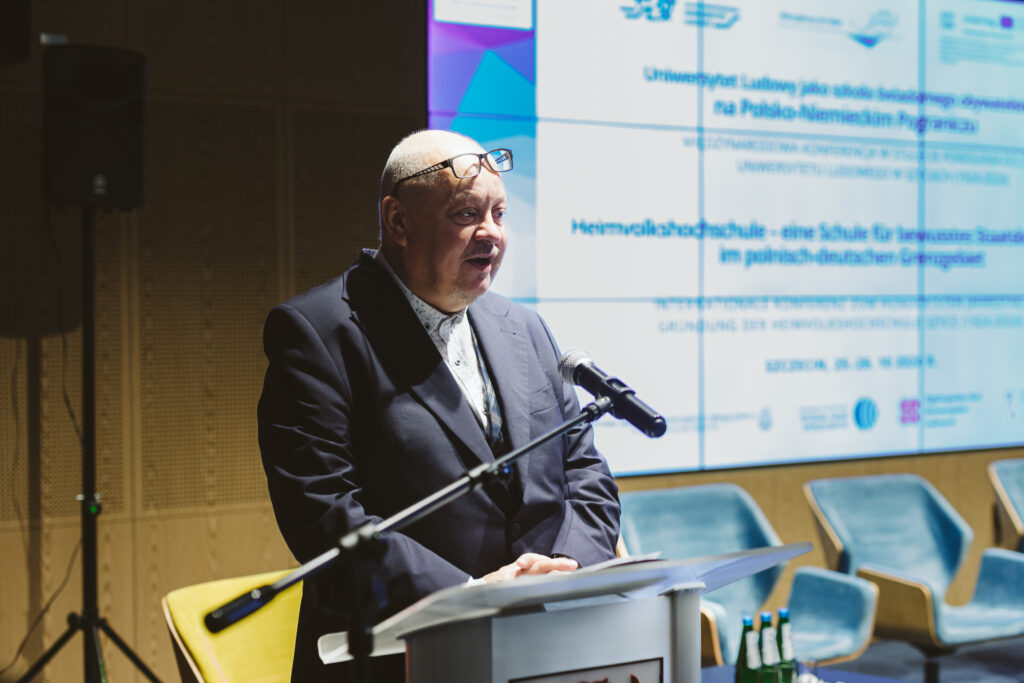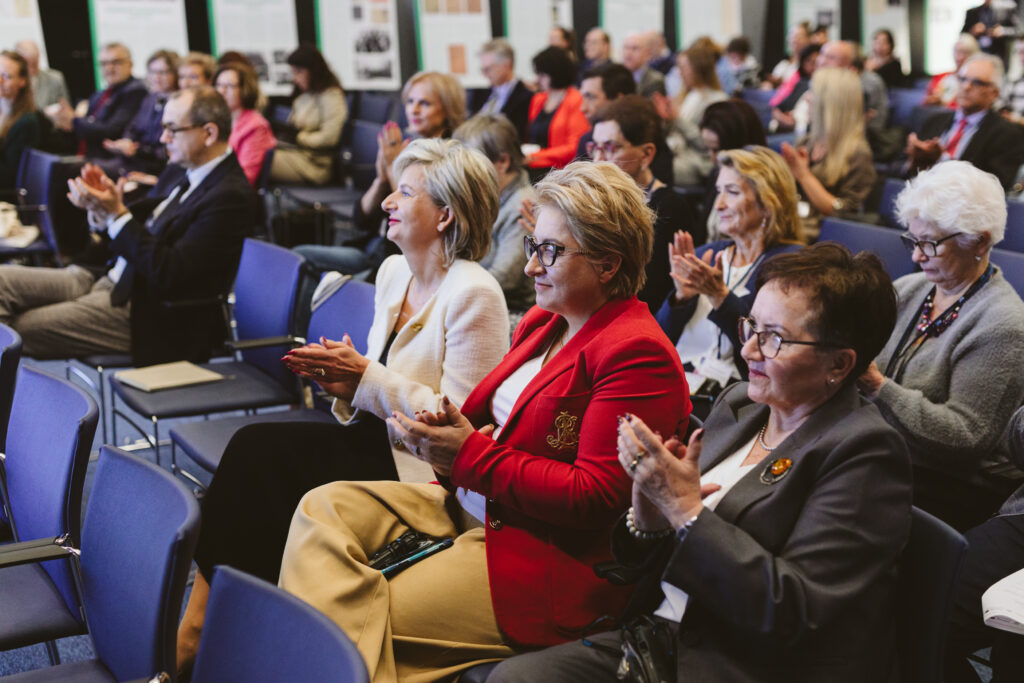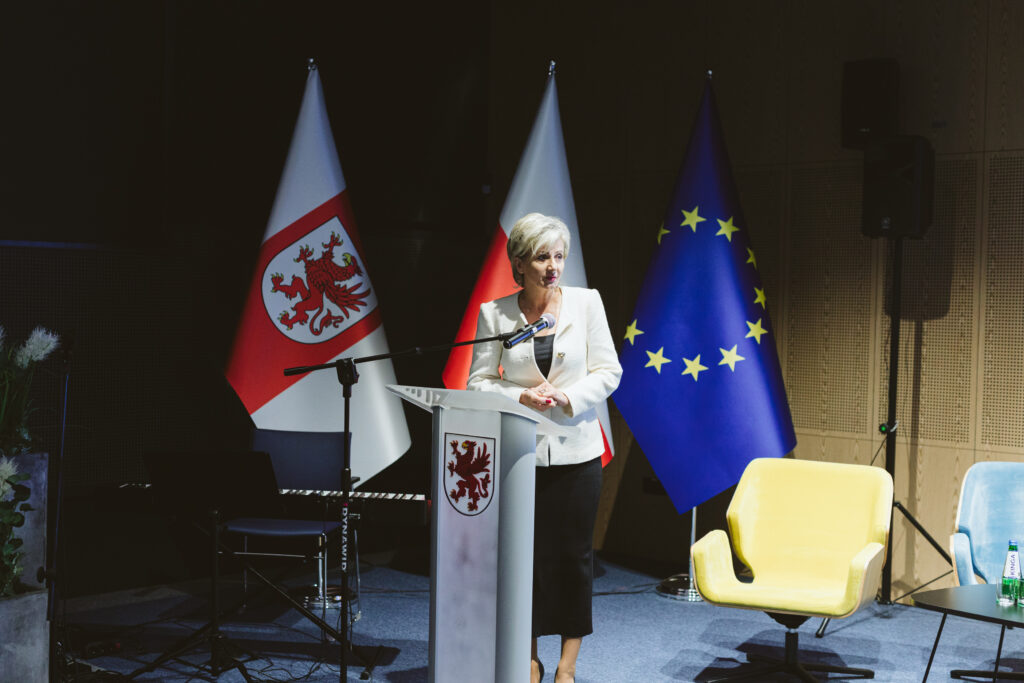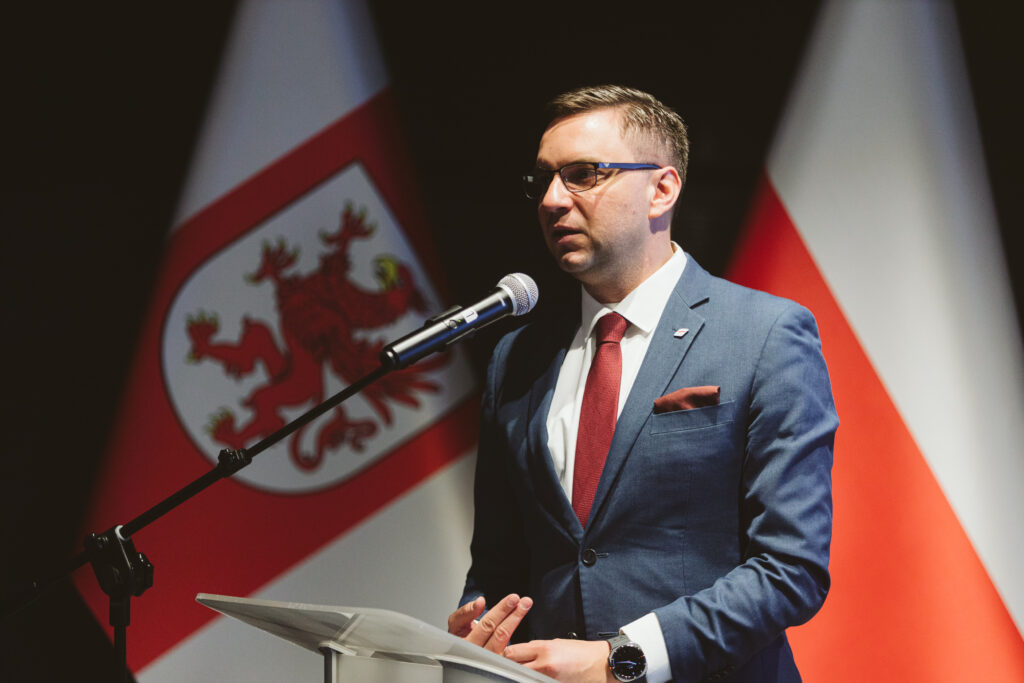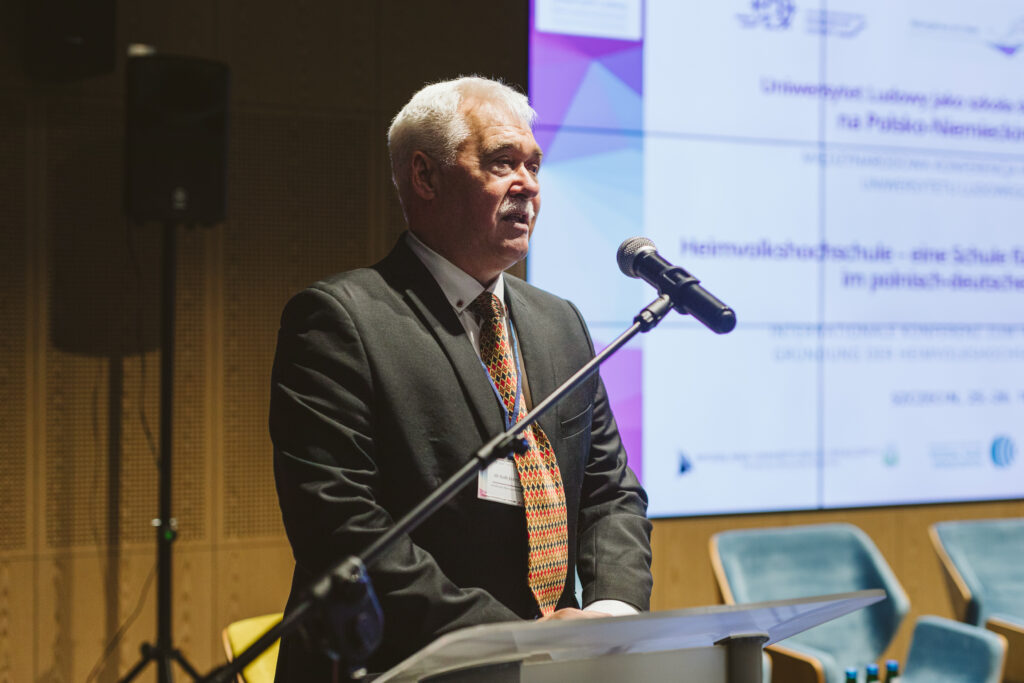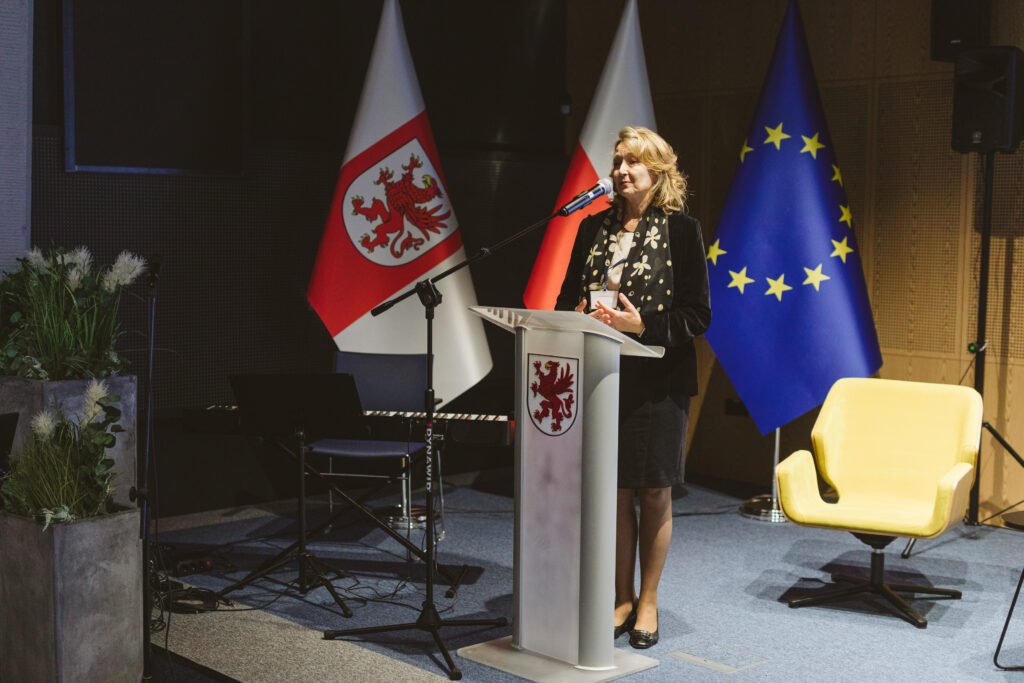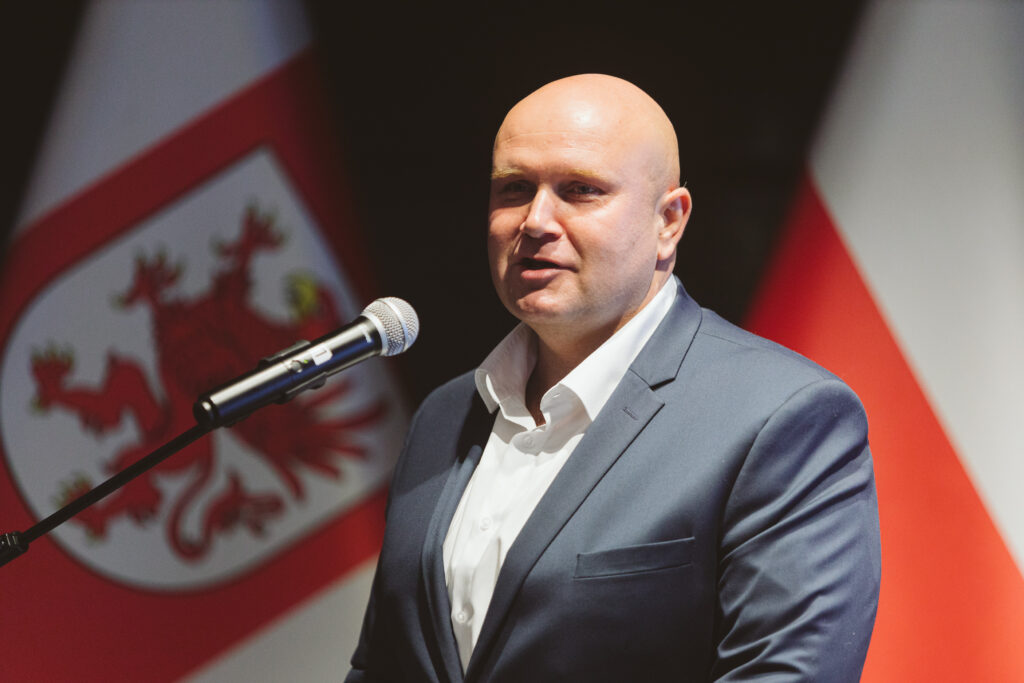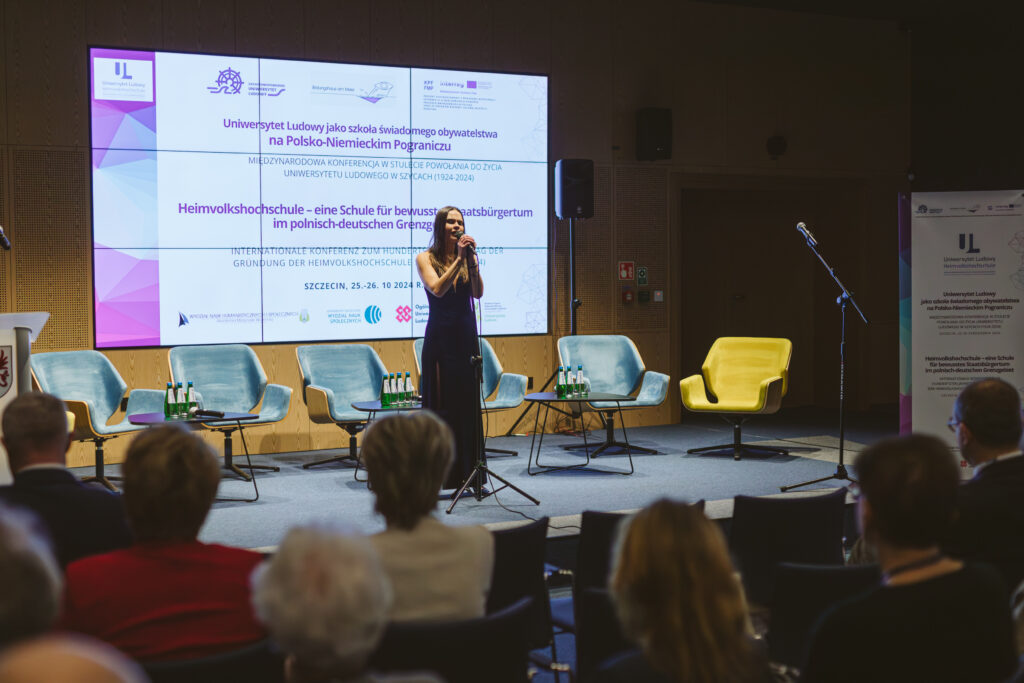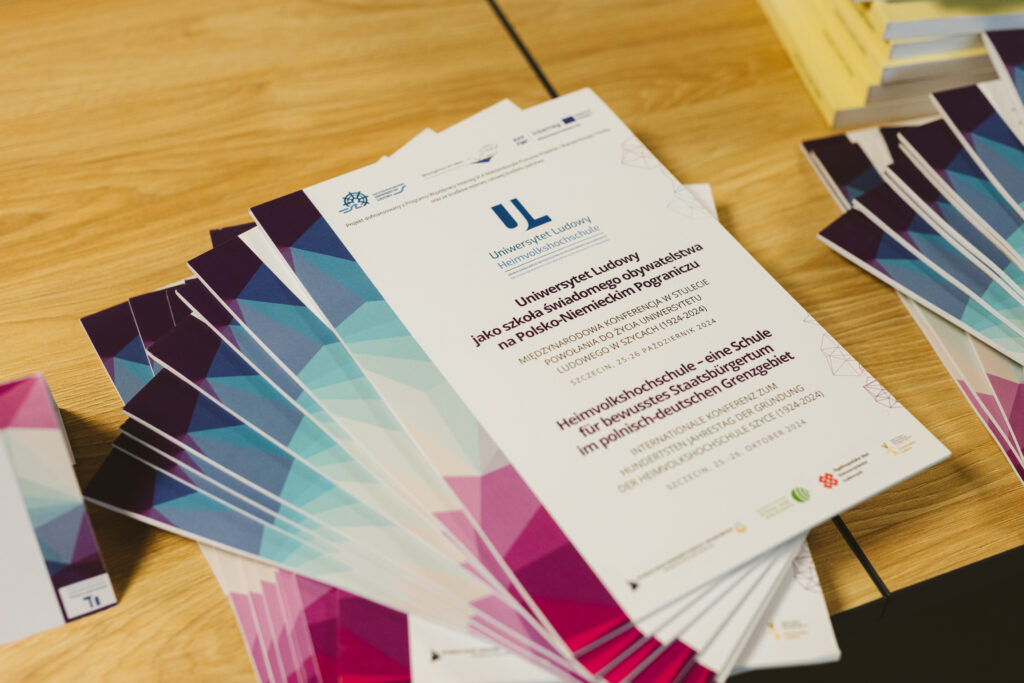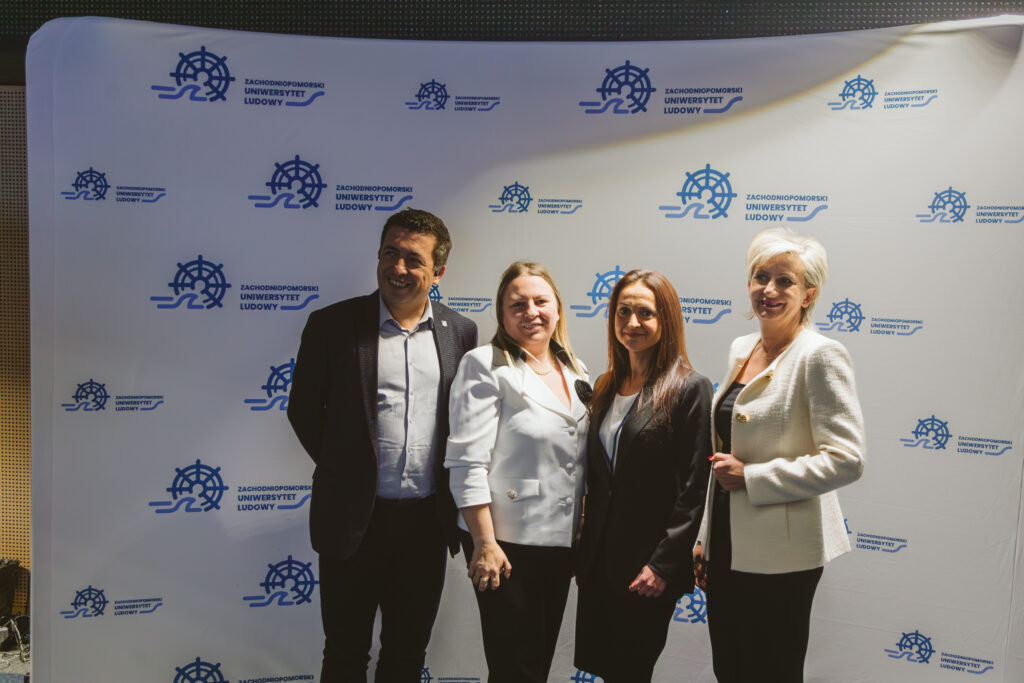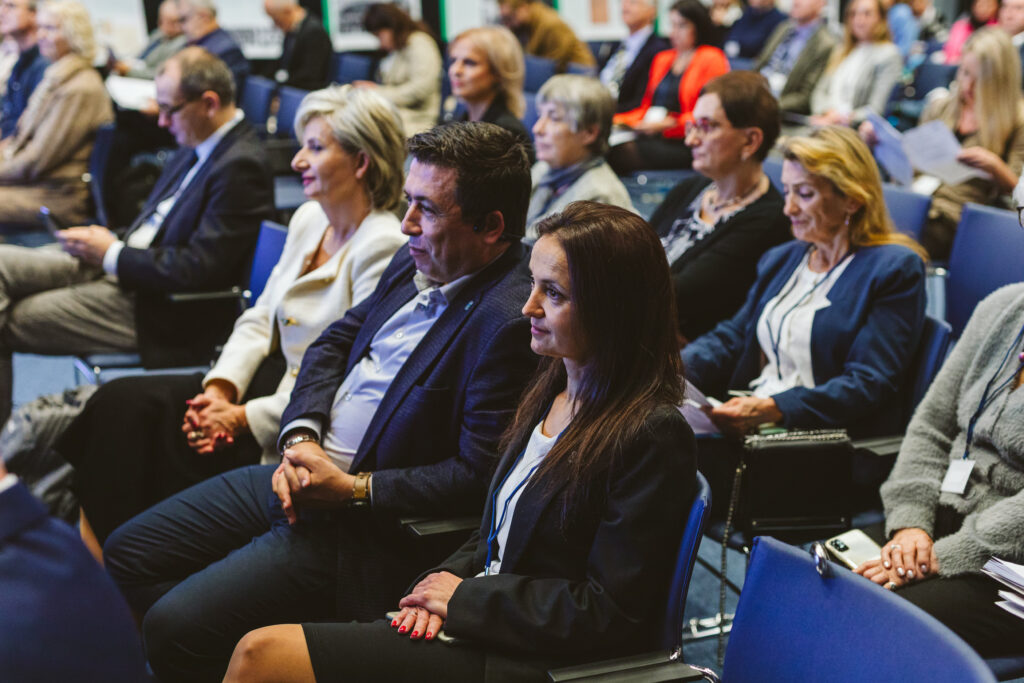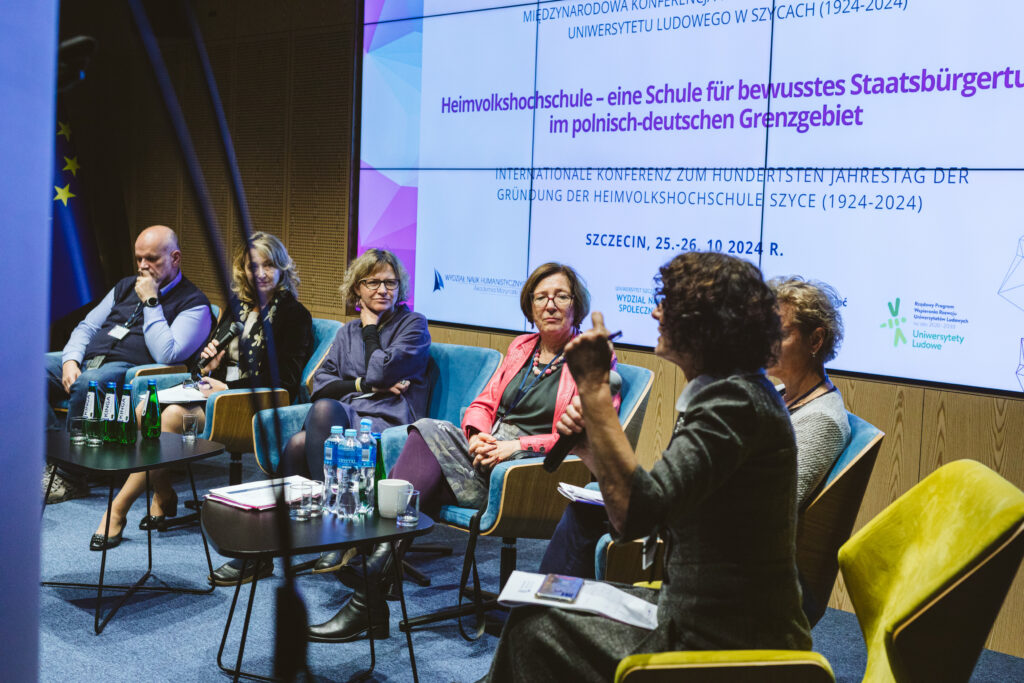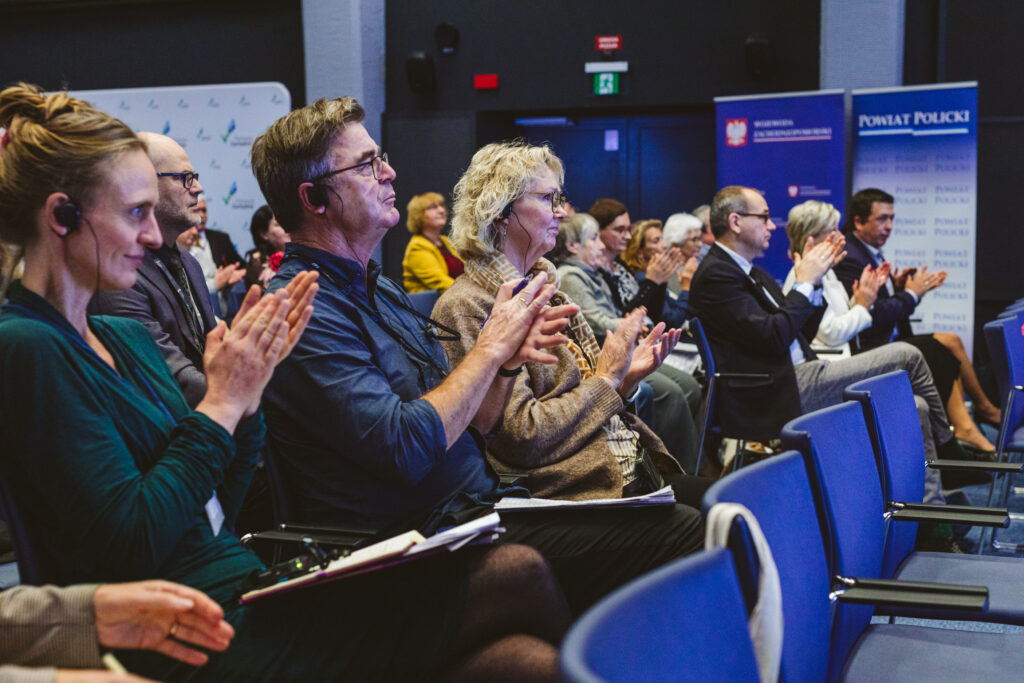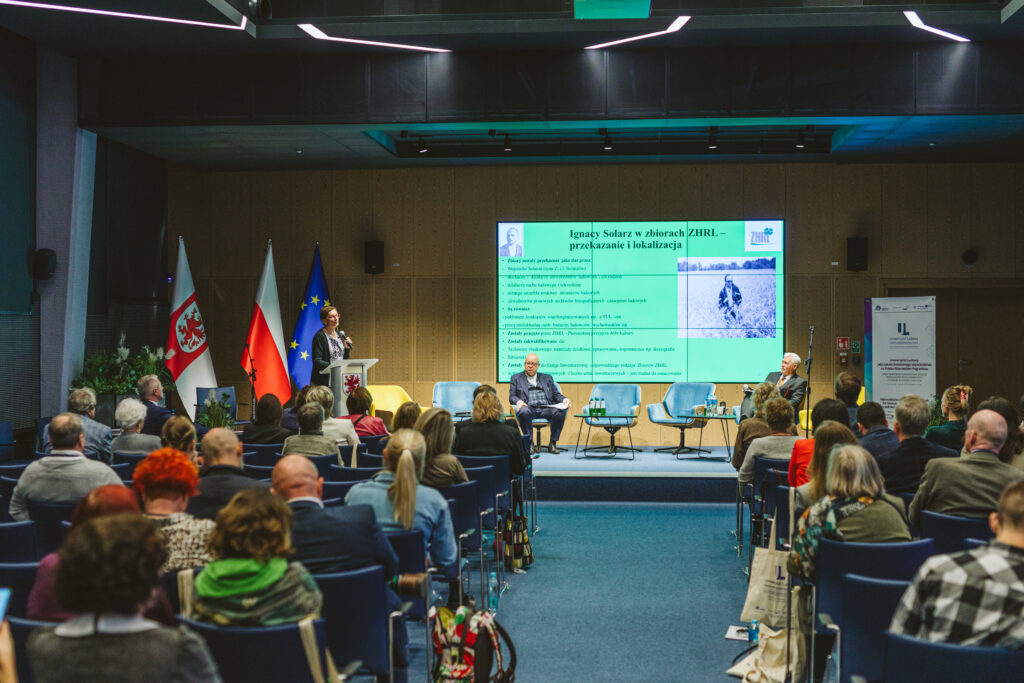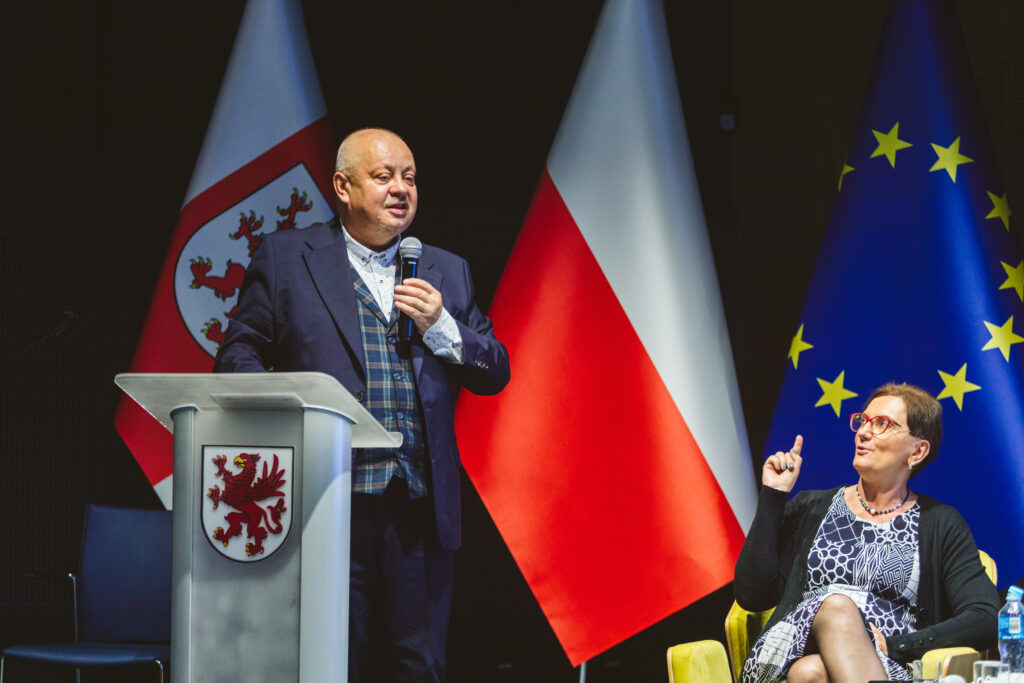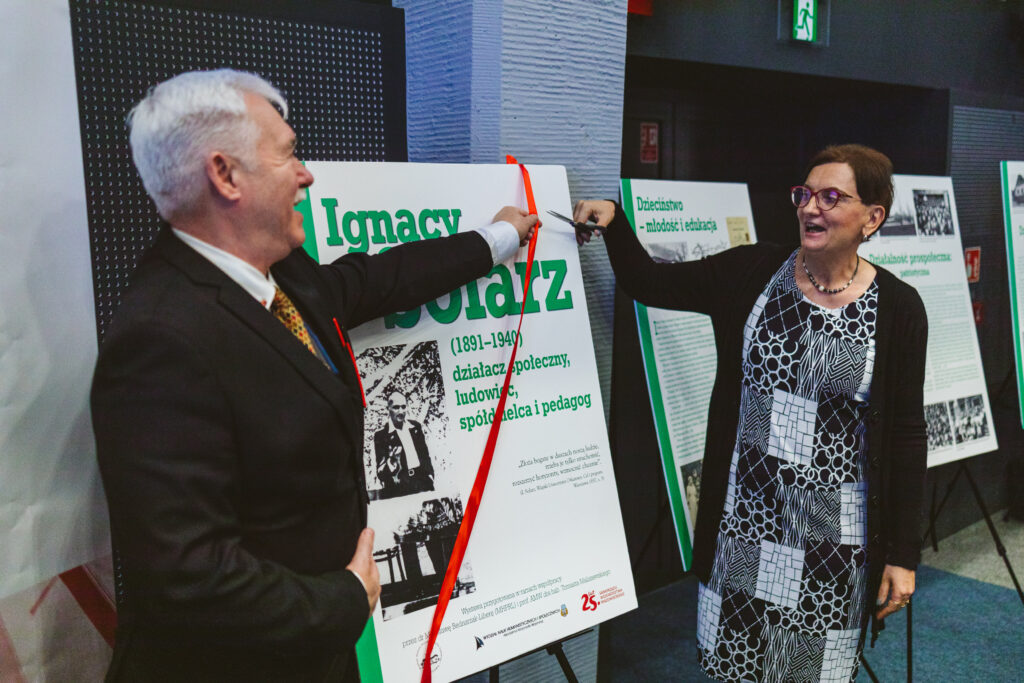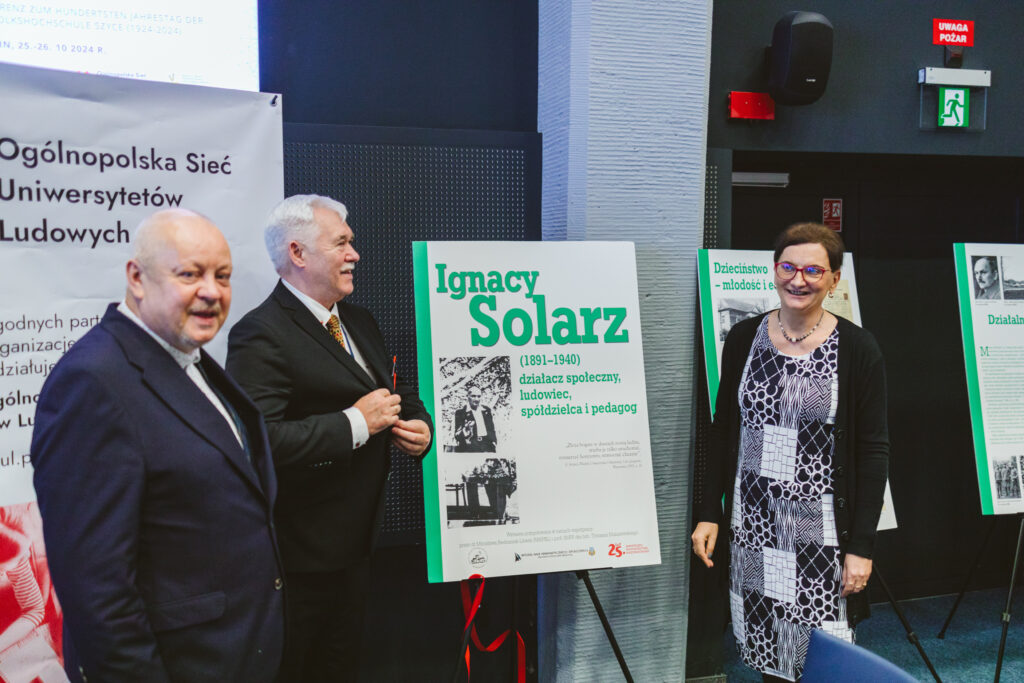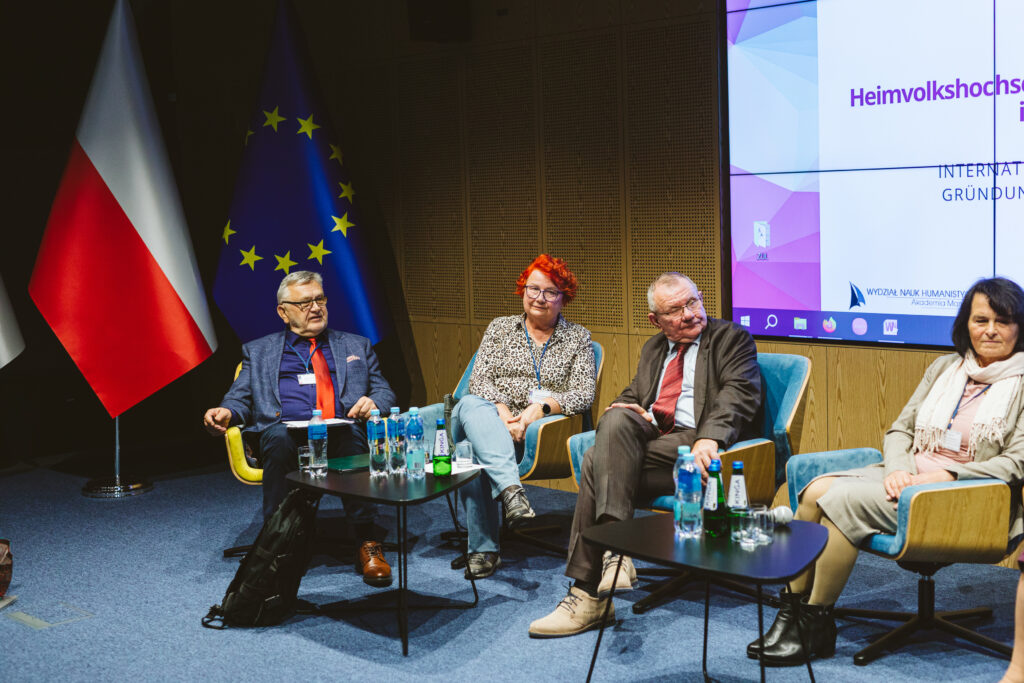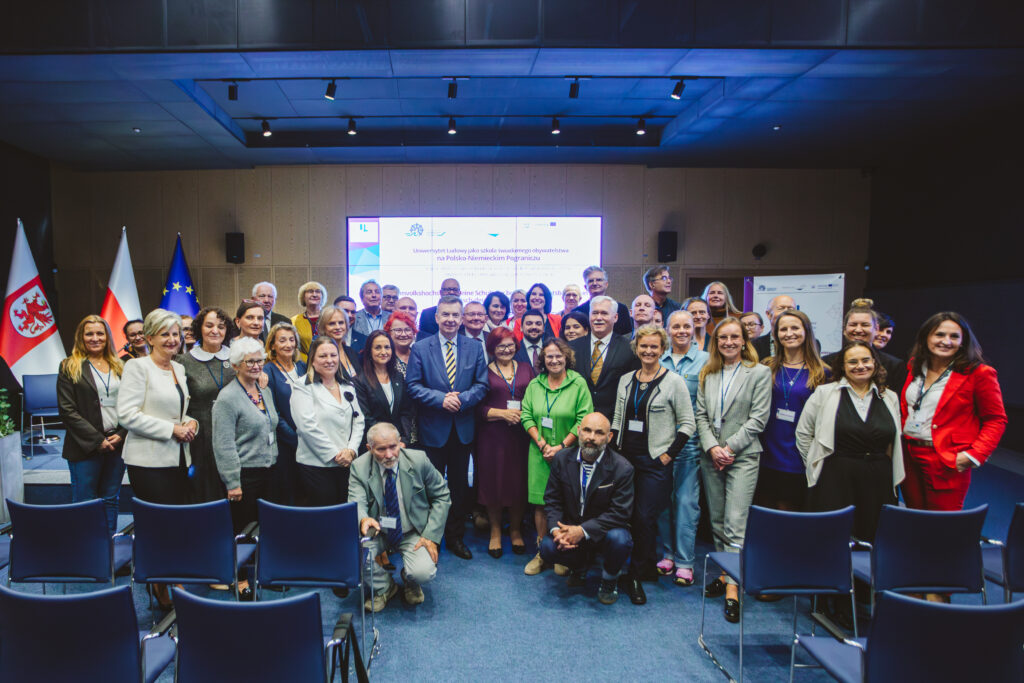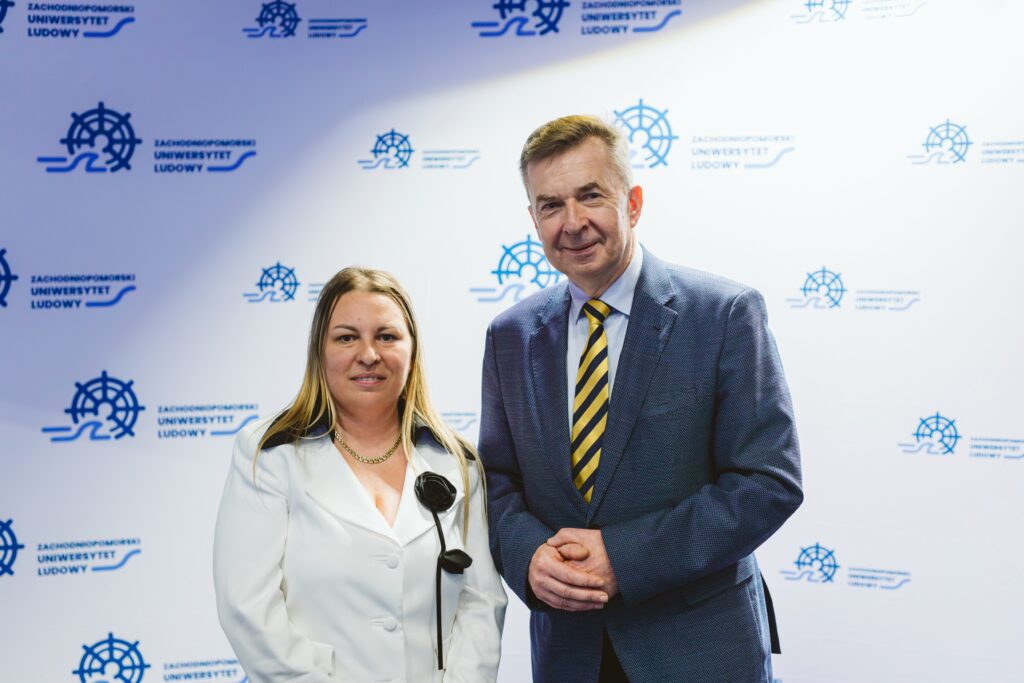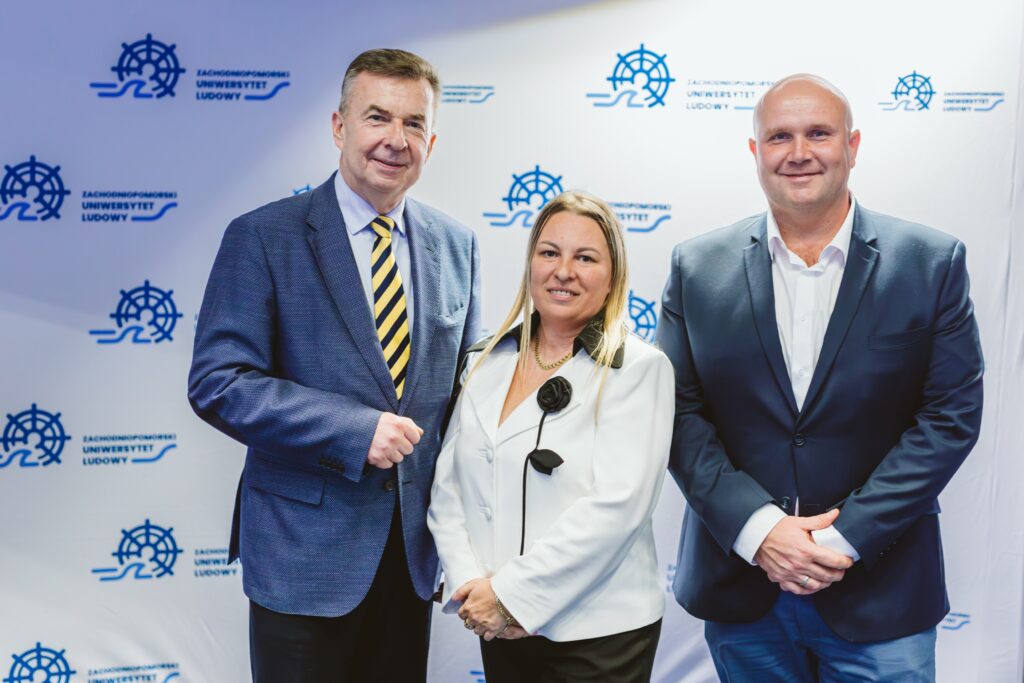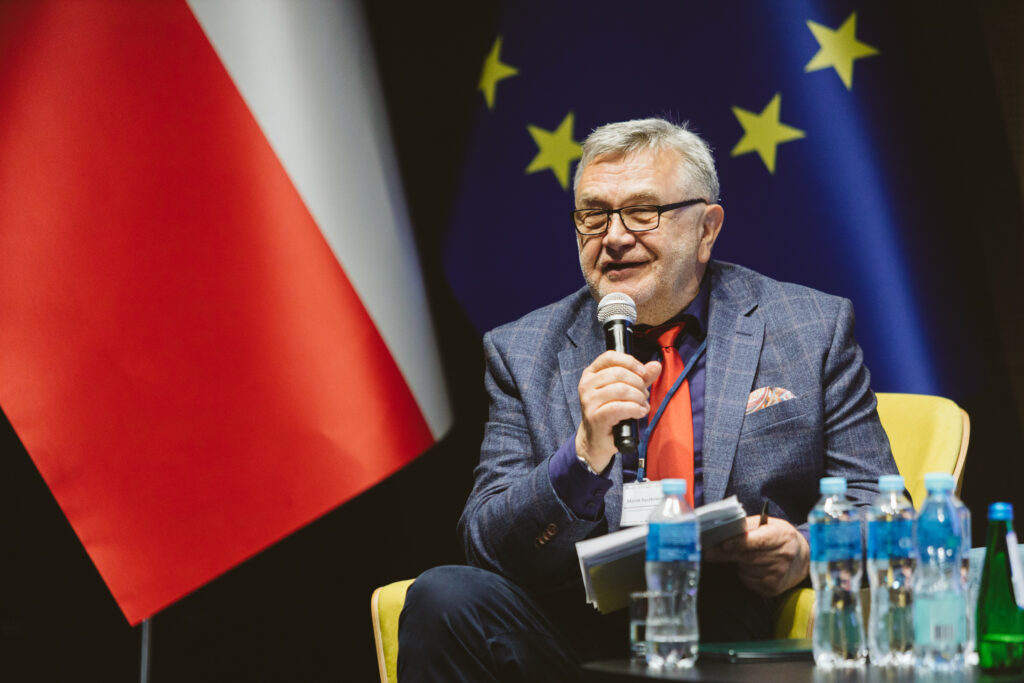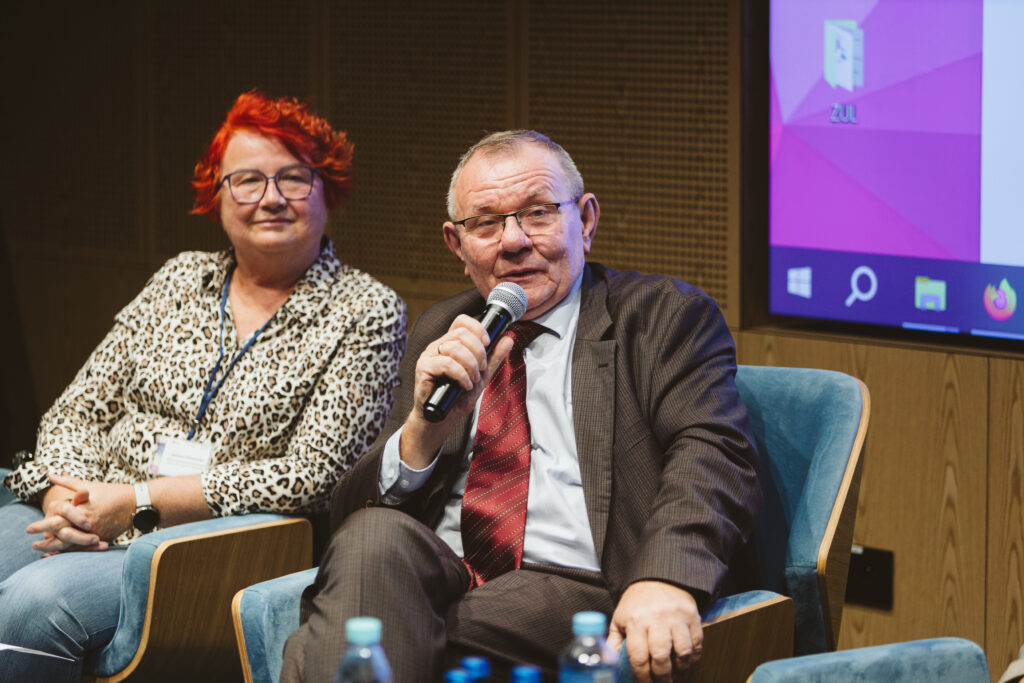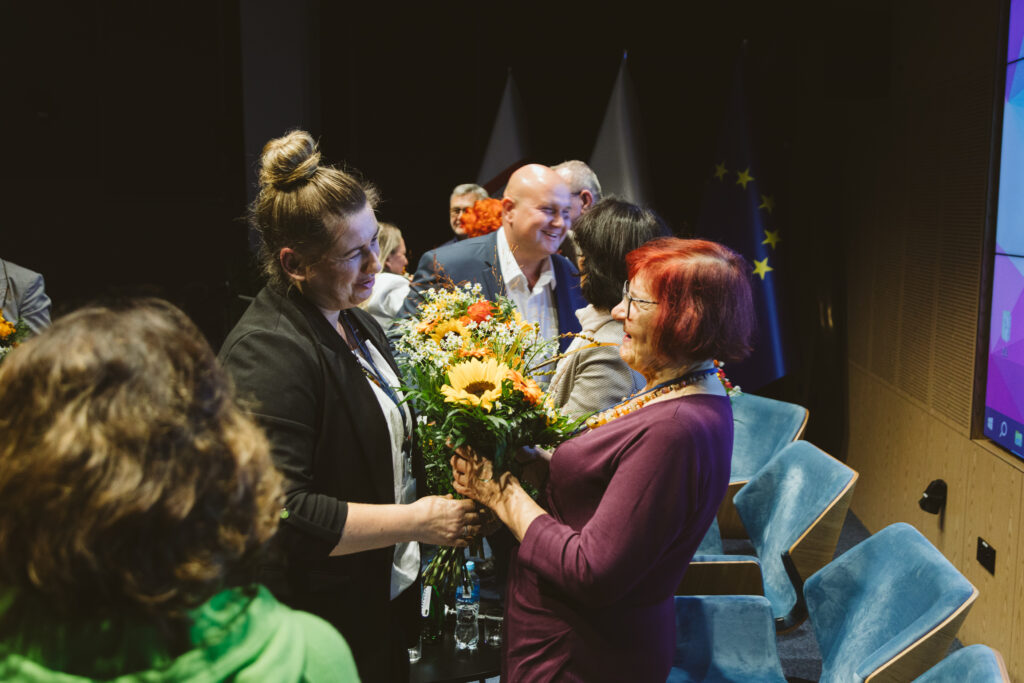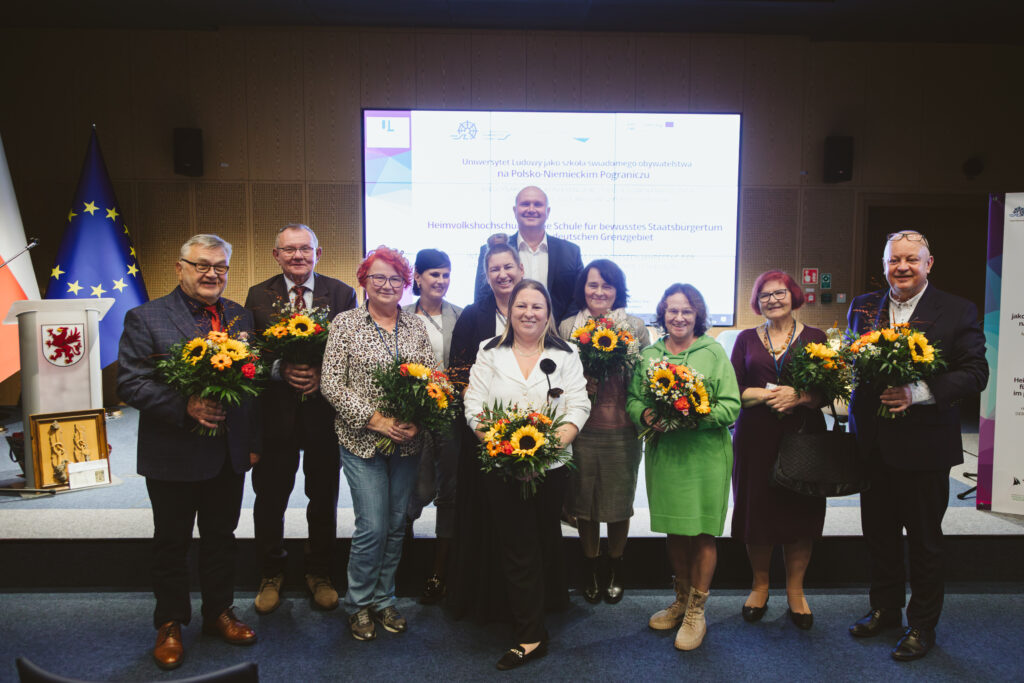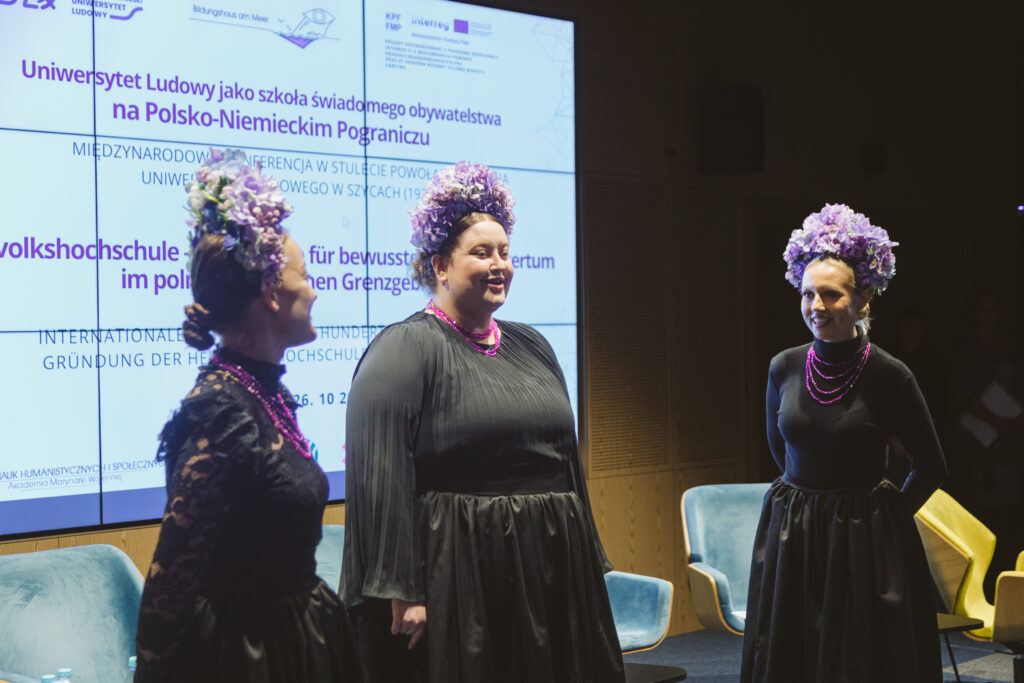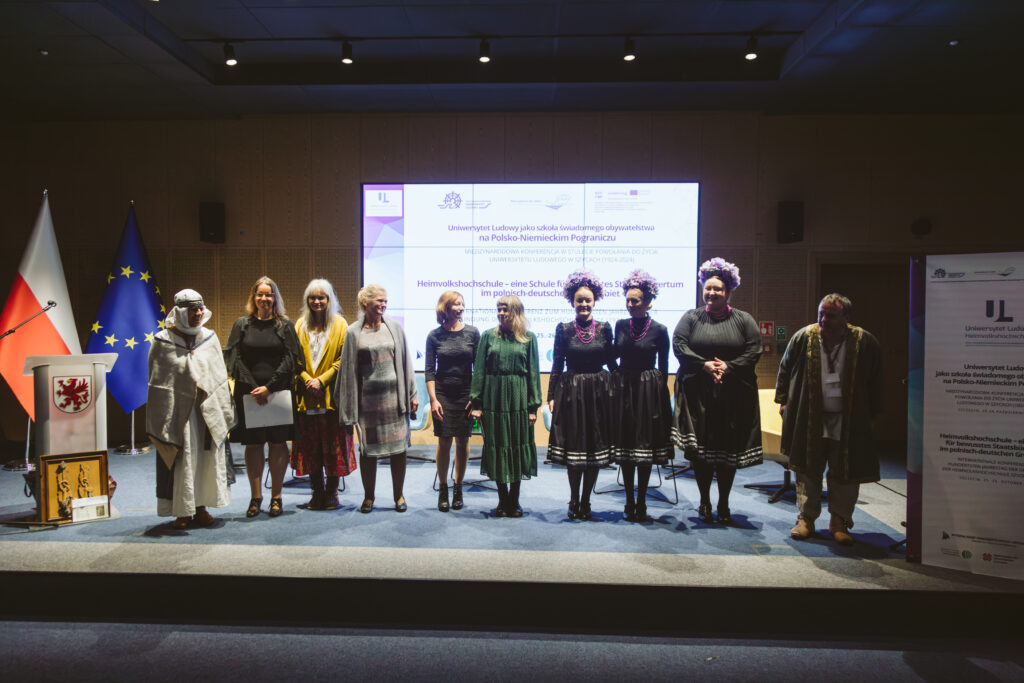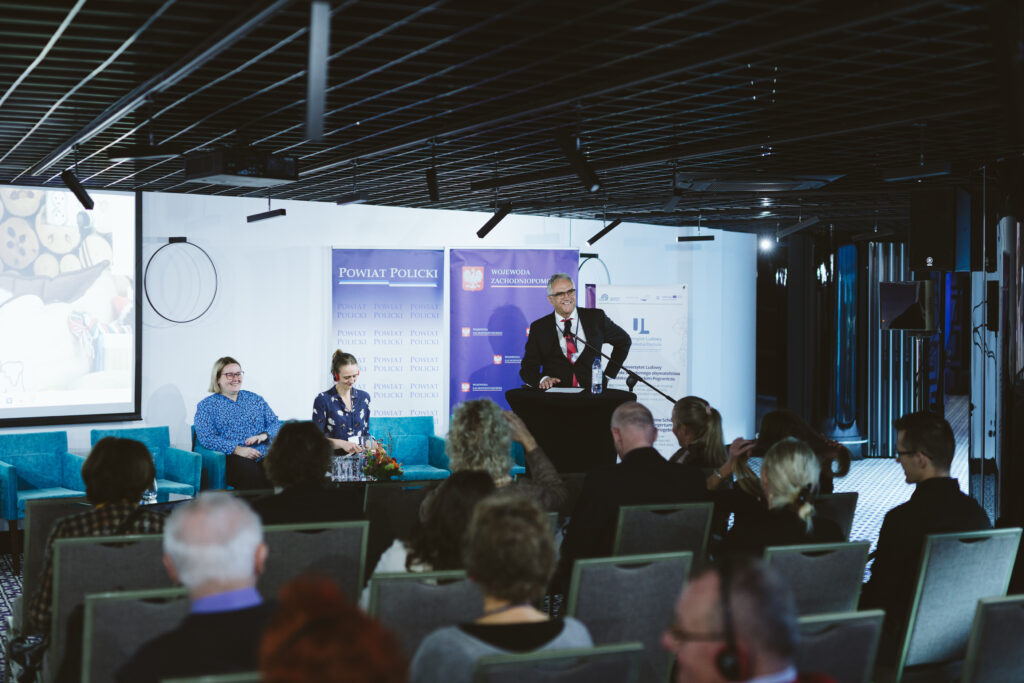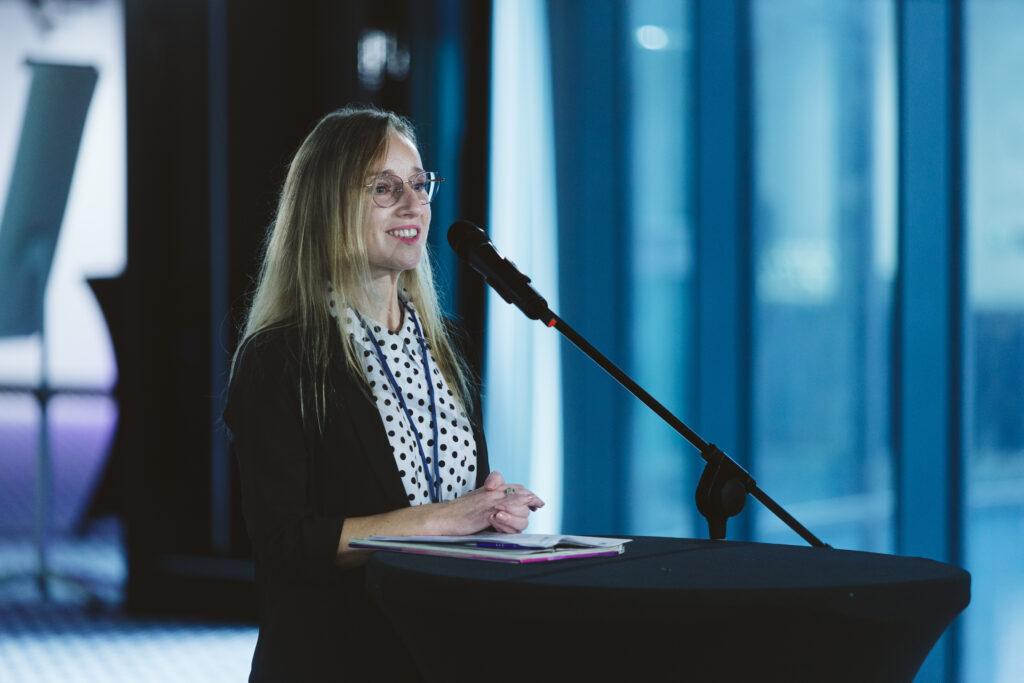

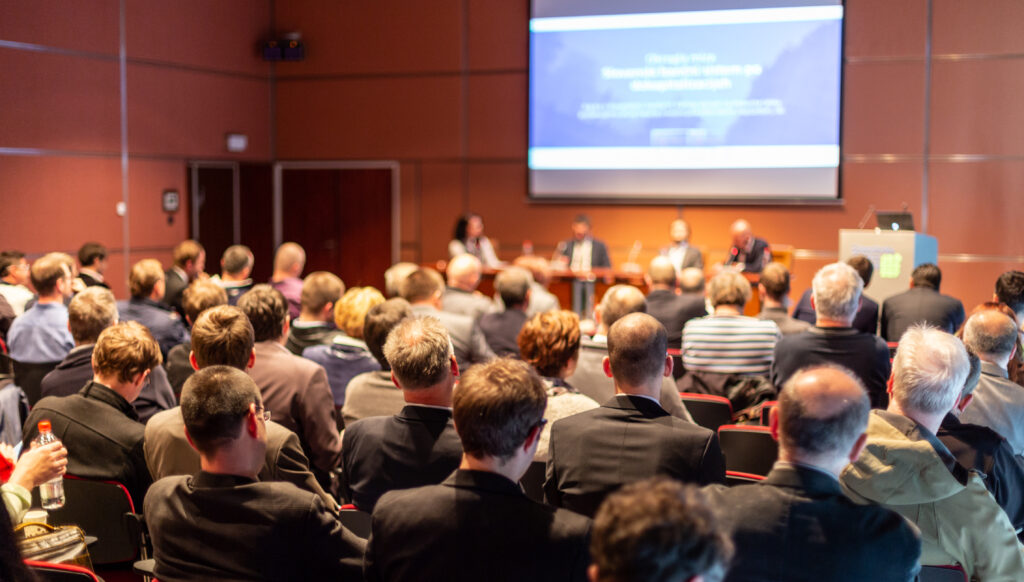
The first day of the conference began with a ceremonial opening, during which participants were welcomed by, among others, Prof. Tomasz Maliszewski, President of ZUL Angelika Felska, and other organizers. The official opening was conducted by Andrzej Rybus-Tołłoczko, Director of the National Freedom Institute – Centre for the Development of Civil Society, and Teresa Szymańska, Director of the Parliamentary Office of the Minister of Science and Higher Education. We were honored by the presence of the Minister of Science and Higher Education, Dariusz Wieczorek. Following a concert by Maria Radoszewska and an introduction to the theme by Prof. Maliszewski, the first plenary session took place, focusing on the role of folk high schools in democracy and Polish-German cooperation. The next point on the agenda was a session dedicated to Ignacy Solarz, his legacy, and the opening of an exhibition celebrating the 100th anniversary of the People’s University in Szyce. The evening concluded with a concert by the band Tulia accompanied by the duo Słowiańskie Echa and a formal dinner, which provided an opportunity to discuss continued cooperation between folk high schools from Denmark, Germany, Poland, Norway, and Sweden.
A special highlight of the first day was the Seniors’ Debate of Polish People’s Universities – moderators Marek Byczkowski and Prof. Tomasz Maliszewski led discussions on the key challenges facing folk universities. Veterans of this educational tradition shared experiences that will help shape the future of folk high schools in a changing world.
The second day offered an international perspective on civic education. The role of folk high schools in Scandinavia was addressed by, among others, Trond Insteboe from Norway and Lisbeth Trinskjær, Chair of the Danish Association of Folk High Schools. The impact of folk universities on community development in Sweden and Ukraine was also discussed. Further sessions explored Grundtvigian pedagogy and educational challenges in times of climate change. Interactive debates using Grundtvig-inspired cards sparked lively discussions among participants. 
To conclude the conference, a good practices session showcased the diverse experiences of Polish people’s universities – from “learning by doing” methods to the integrative role of music.
We sincerely thank all listeners and speakers for their engagement and inspiring discussions. Our warm gratitude also goes to the co-organizers:
– the Faculty of Humanities and Social Sciences of the Naval Academy in Gdynia,
– the People’s University in Lubmin,
– the National Network of People’s Universities, and
– the Faculty of Social Sciences of the University of Szczecin.
The conference, held under the patronage of the Academic Society for Andragogy, was co-funded by the Interreg VI A Mecklenburg-Vorpommern/Brandenburg/Poland Cooperation Programme and the Special Purpose Reserve of the State Budget – Programme for Supporting the Development of People’s Universities for 2020–2030.